

 NFL Jerseys
 NBA Jerseys
 MLB Jerseys
 NHL Jerseys
 NCAA Jerseys
 Soccer Jerseys
 Lionel Messi
 Cristiano Ronaldo
 Kylian Mbappe
 Vinicius Junior
 Erling Haaland
 Mohamed Salah
 David Beckham
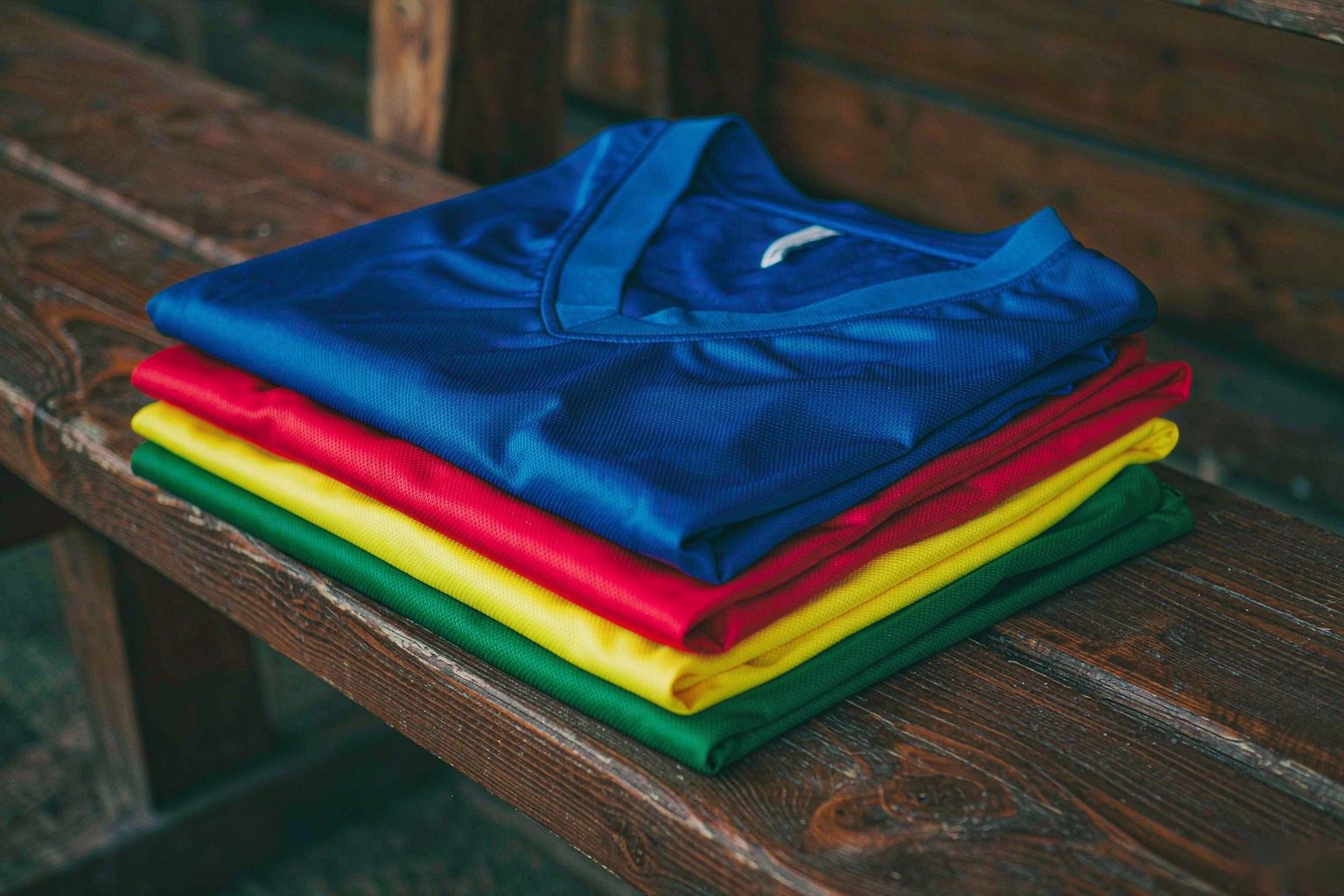
Every NBA team has four core jersey editions — Association, Icon, Statement and City — plus Classic editions for throwback designs. The names are consistent across all 30 teams, which makes them the most learnable uniform system in professional sport.
The four core editions
| Edition | Colour logic | Role |
|---|---|---|
| Association | White | The traditional home / road white jersey |
| Icon | The team's primary colour | The jersey most people picture for that team |
| Statement | A distinct alternative colour | The team's bold pick, worn for selected games |
| City | Changes every season | A design rooted in the team's city or culture, refreshed annually |
Association and Icon are the constants. Statement is the deliberate departure. City is the one that changes every single year, which is why it generates the most discussion and the most collectability — a City jersey from a specific season cannot be bought again once the season moves on.
Classic editions
Classic (or Hardwood Classics) designs reproduce jerseys from earlier eras — sometimes decades old. They are the only editions where the design is the point rather than the team's current identity. If someone's fandom is anchored to a specific era, a Classic is almost always the more meaningful gift than any current edition.
A concrete example: a black 1996/97 Bulls Hardwood Classic in a swingman cut is a reproduction of a specific season, not a reinterpretation of it.
The new Standard Issue and Specter Editions
Two additions arrive with the 2026-27 season. The NBA Standard Issue Collection is a new league-wide line spanning all 30 teams, designed around the next generation of players. Separately, the Specter Edition introduces new uniforms for eight of the NBA's oldest franchises — a targeted programme rather than a league-wide one.
The practical effect for a buyer: in 2026-27 there are more distinct designs per team than in any previous season, and the older franchises — the teams with the deepest design history — now have one more edition to choose from.
How editions map to what you buy
Retail versions come in tiers, and the edition is a separate decision from the tier:
- Youth and custom swingman — around $50.90 in our range.
- Swingman — the standard adult tier, roughly $57.90–$63.80.
- Adult swingman in current editions — typically $67.70.
So an Icon edition swingman and a City edition swingman cost about the same. What differs is the design and, for City, whether it is still available.
Three concrete places to start: the Knicks Icon edition swingman ($67.70) for the defending champions' primary look; the Lakers City edition swingman ($67.70) for a darker alternative; and the Bulls 1996/97 Hardwood Classic swingman ($67.70) if the era matters more than the season.
Which one to pick
Icon is the safe default — it is the team's identity and it will not look dated. Association white is the cleanest and the hardest to keep clean. Statement suits someone who wants the team but not the obvious colour. City is the collector's pick: best design, shortest shelf life. Classic is the historian's pick, and the only one where the year on the tag is the reason to buy it.
Frequently asked questions
What are the four NBA jersey editions?
Association (white), Icon (team primary colour), Statement (alternative colour) and City (redesigned annually around the team's city).
What is a City edition jersey?
A design refreshed every season and rooted in the team's city or culture. It changes annually, which is what makes previous seasons' versions collectable.
What is the Specter Edition?
A new uniform programme for the 2026-27 season covering eight of the NBA's oldest franchises.
Which edition should I buy?
Icon for a safe long-term pick, Statement if you want something less obvious, City for design and collectability, Classic for a specific era.


